Our Organisation
The Palestine Humanitarian Response Center (PHRC) is a non-profit organization dedicated to protecting and supporting Palestinian children. Registered in the Netherlands, the PHRC brings trauma relief activities and mental health support to children affected by Israel’s genocide – in Gaza, Palestine, and in Cairo, Egypt.
Our intervention model is rooted in the belief that, in order to process negative feelings and emotions, children need to feel self-worth, self-control, and self-efficacy. Using creative arts and trauma-informed pedagogy, we carefully design our programs and create spaces where children can experience belonging, routine, stability and trust, and reclaim their sense of self.
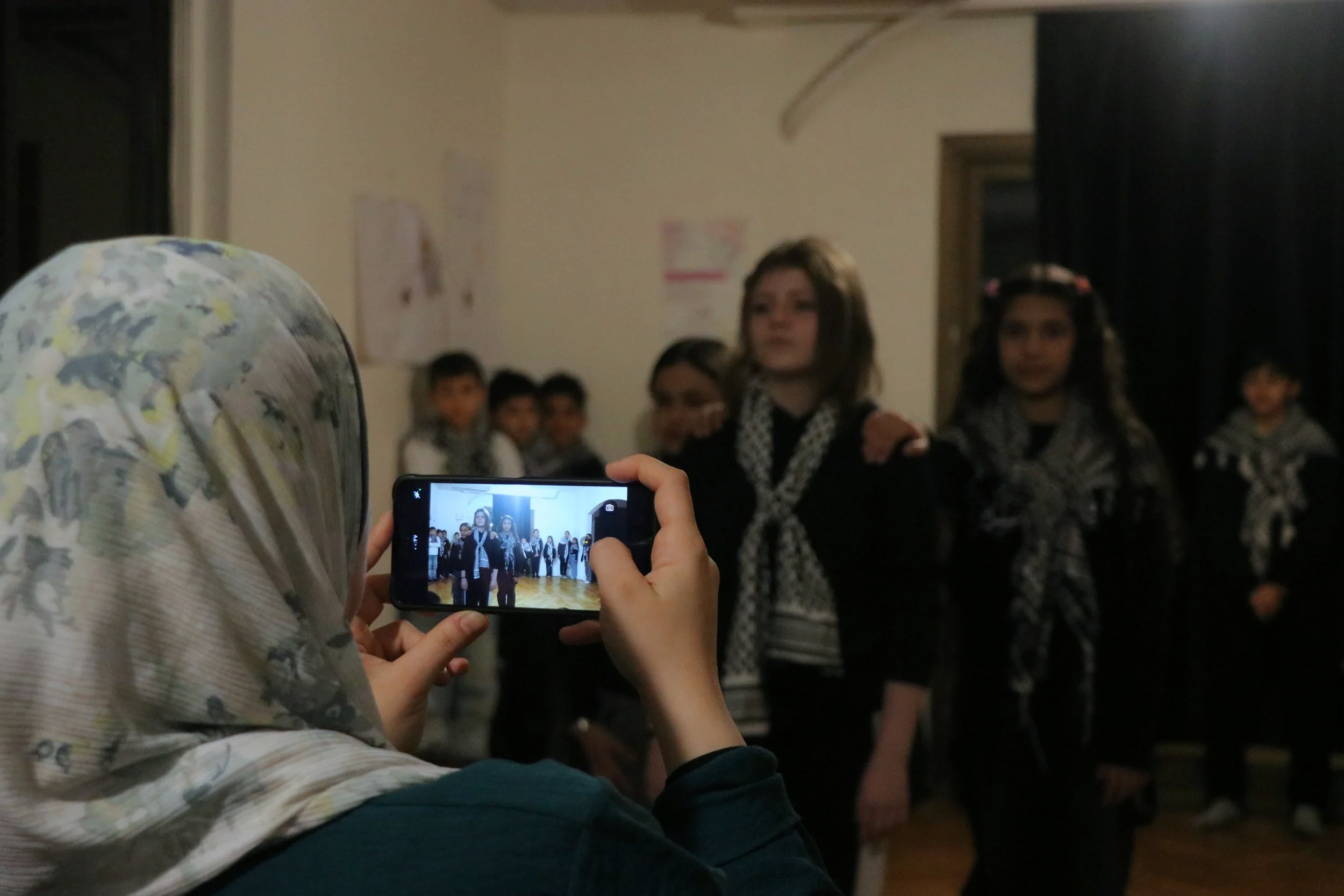
The Mission of the PHRC
Through creative arts and trauma-informed pedagogy, PHRC designs programmes that help children experience connection, inclusion, safety, and confidence, supporting them to reconnect with themselves in safe and supportive environments.
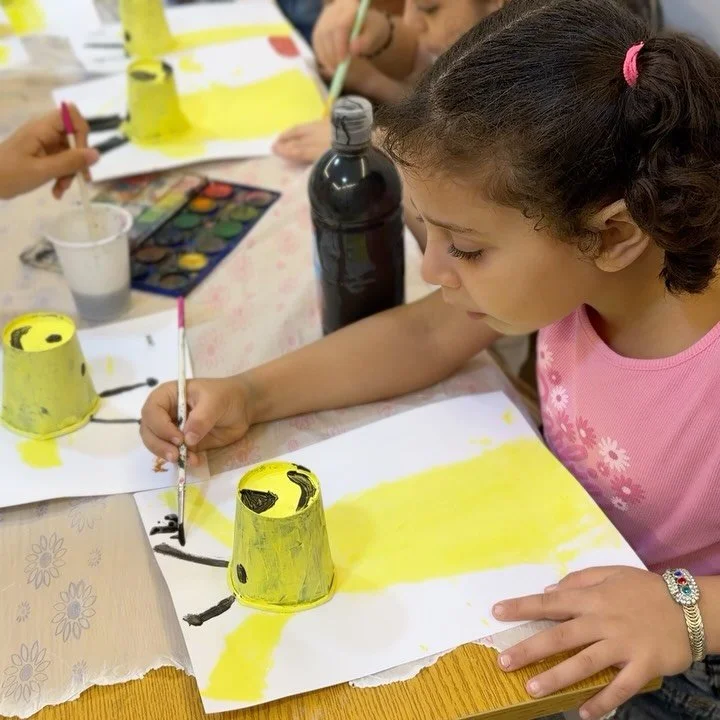
Our activities take place in child-friendly spaces where trained facilitators work with care and intention. Routine and structure are used to create stability and help children regain a sense of safety. Sessions are complemented by spaces for self-exploration, including a library, an open arts area, and a play space.
PHRC also works closely with families and caregivers, providing tools to support children’s emotional recovery and to strengthen care, resilience, and wellbeing within the home. We recognise that children’s recovery is closely linked to the emotional wellbeing of the adults around them.
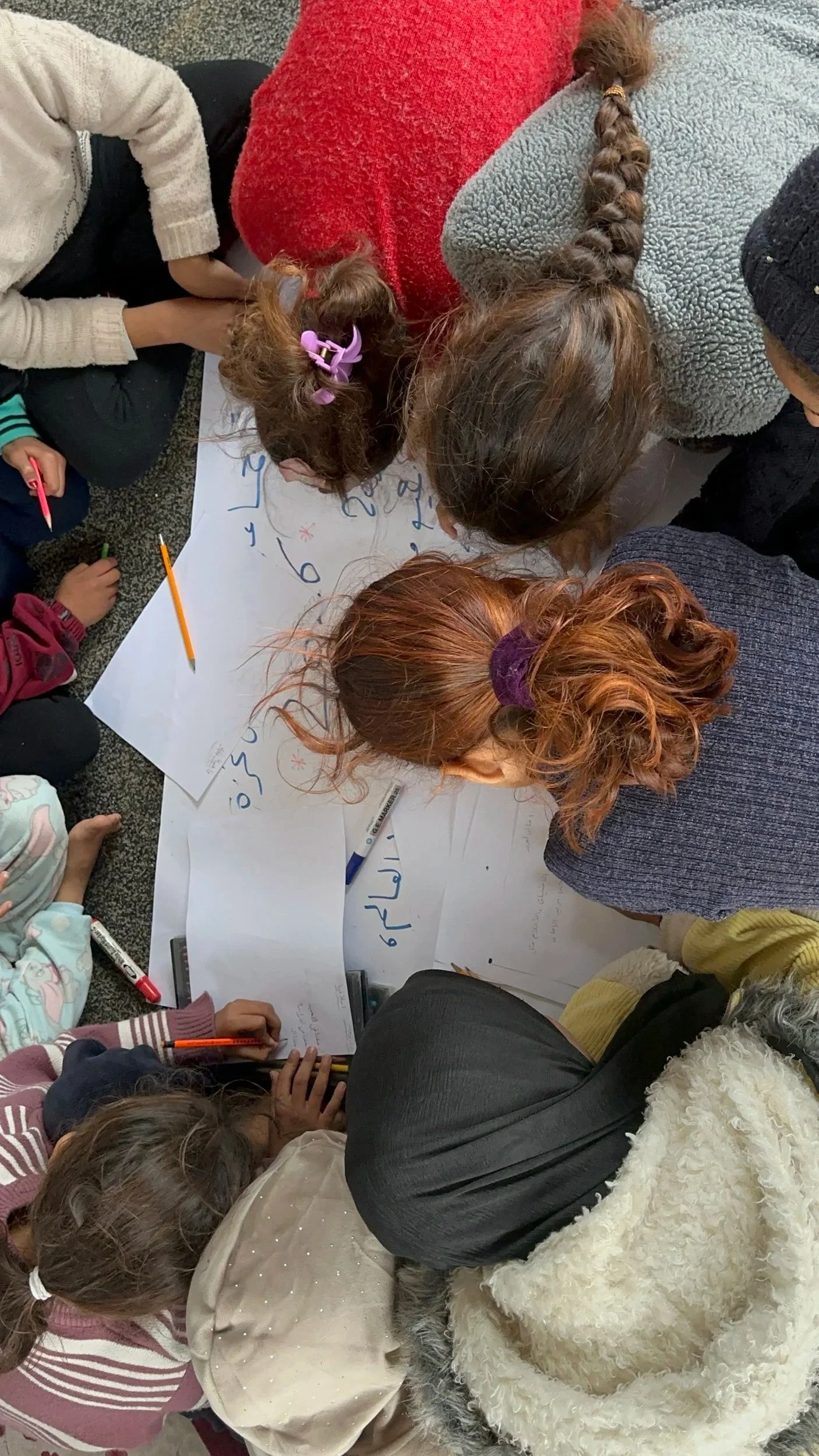
Why Our Approach Matters
Traditional emergency activities often provide short-term engagement without continuity. PHRC is built around sustained, trauma-informed support that accompanies children over months rather than days. Through consistent relationships, structured routines, creative expression, and family engagement, we help children rebuild trust, emotional resilience, and a sense of belonging.
Healing from trauma requires time, trust, and consistency. PHRC prioritises long-term engagement rather than isolated activities. By creating structured routines, stable relationships, and ongoing support for children and families, we provide spaces where recovery can gradually take place despite ongoing adversity.
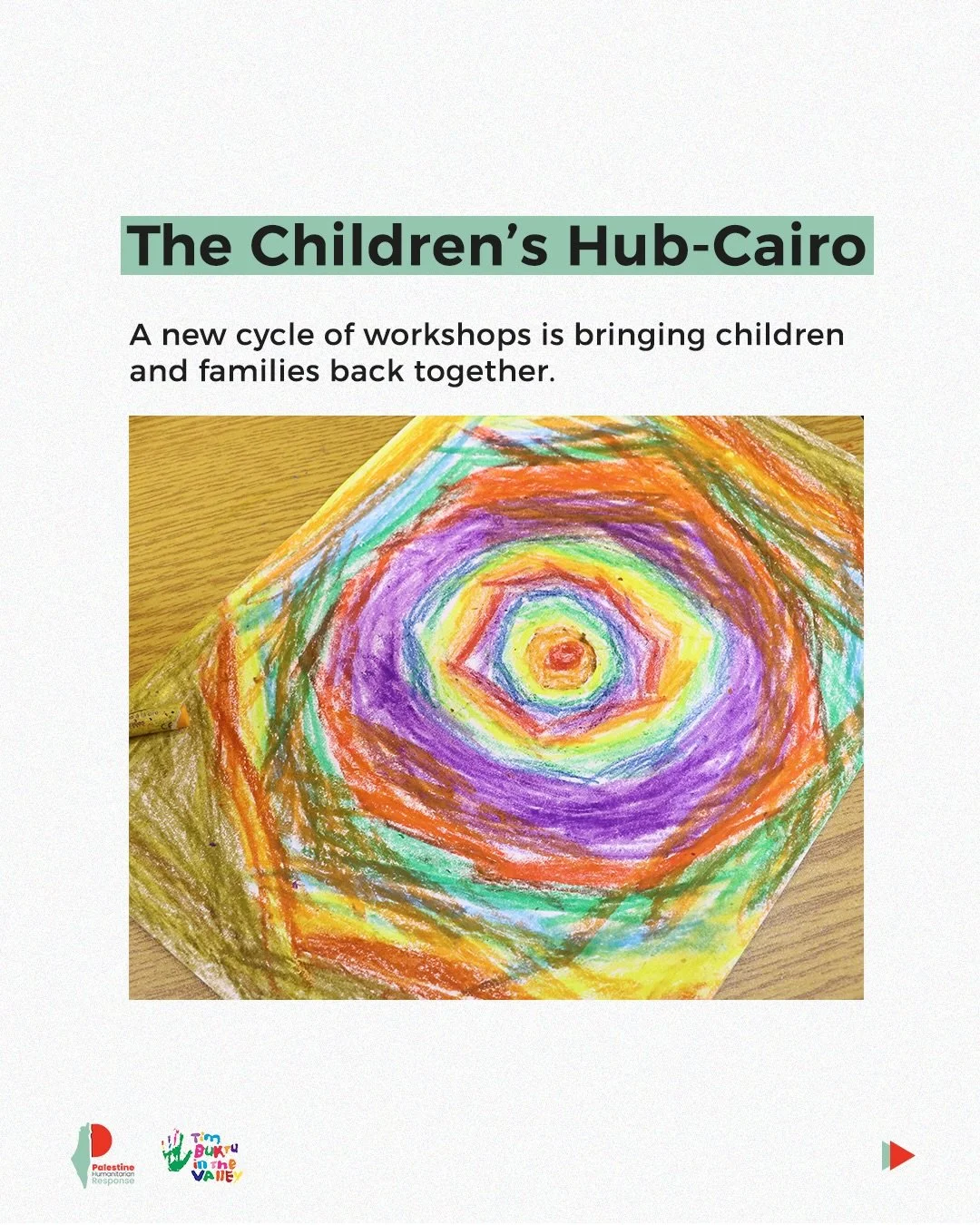
Art, storytelling, theatre, music, and play are not recreational add-ons; they are evidence-informed tools that help children express experiences that are often difficult to communicate through words alone.
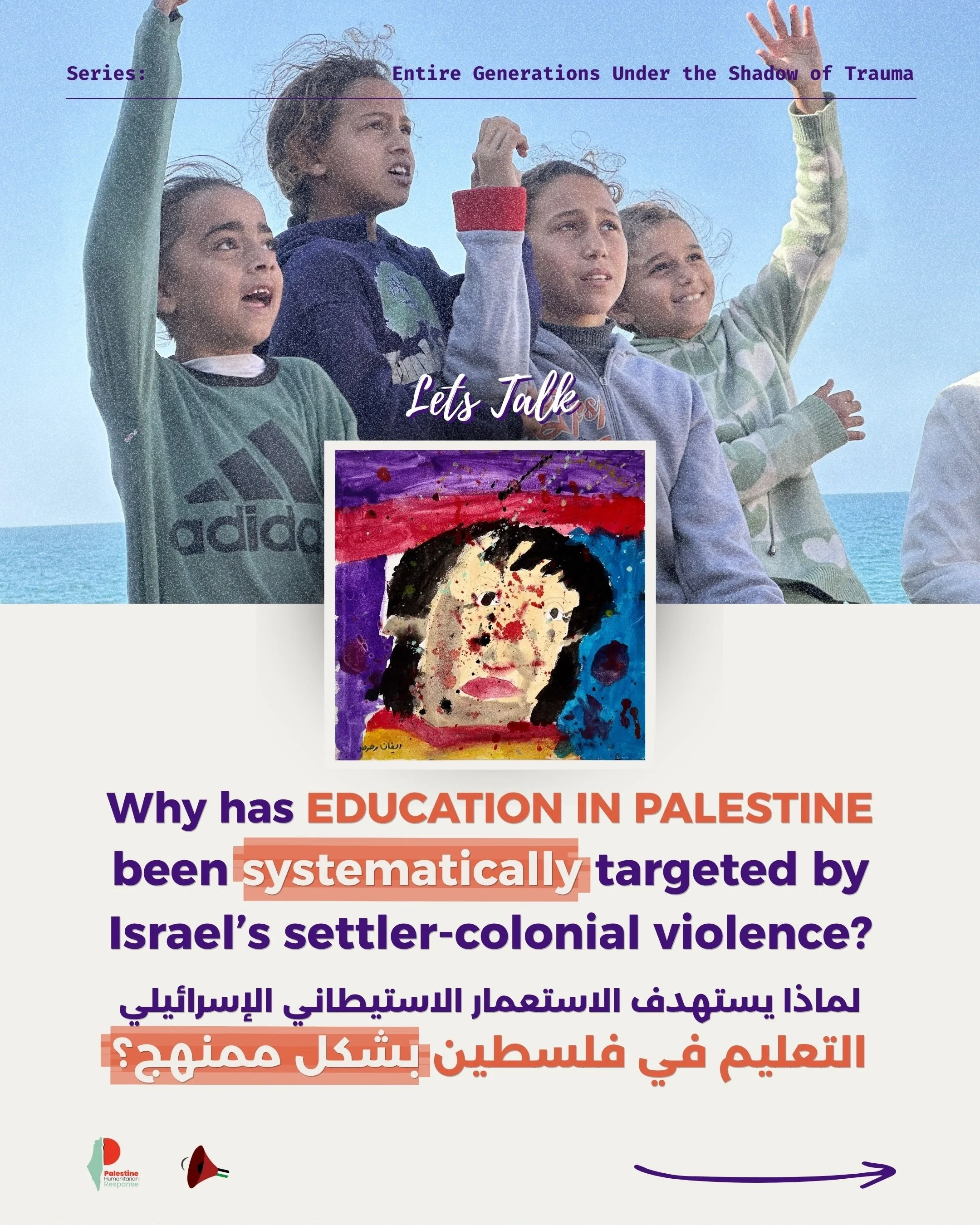
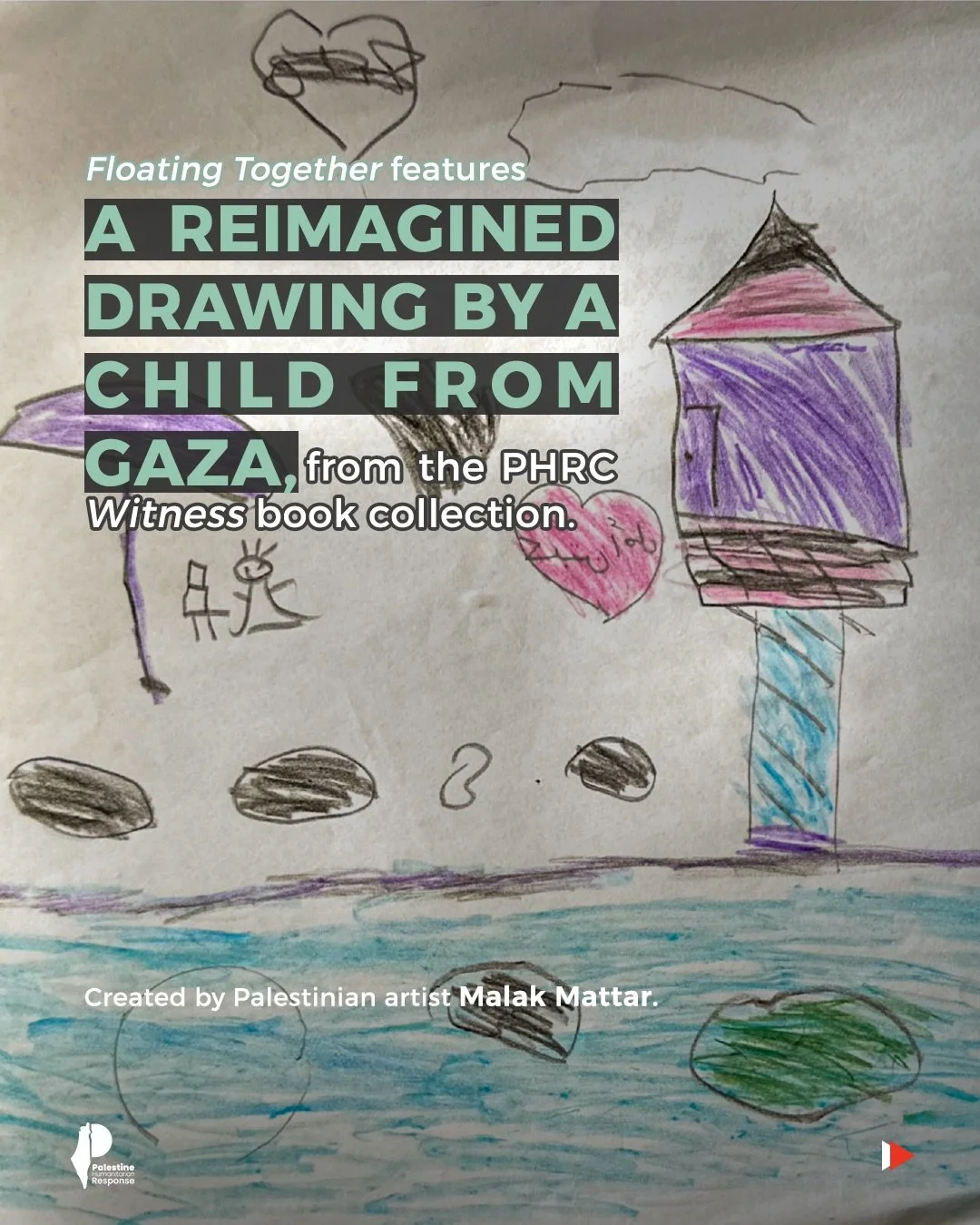
Beyond direct programming, PHRC documents children’s experiences through publications, artistic projects, and community storytelling initiatives that preserve memory and amplify children’s voices.
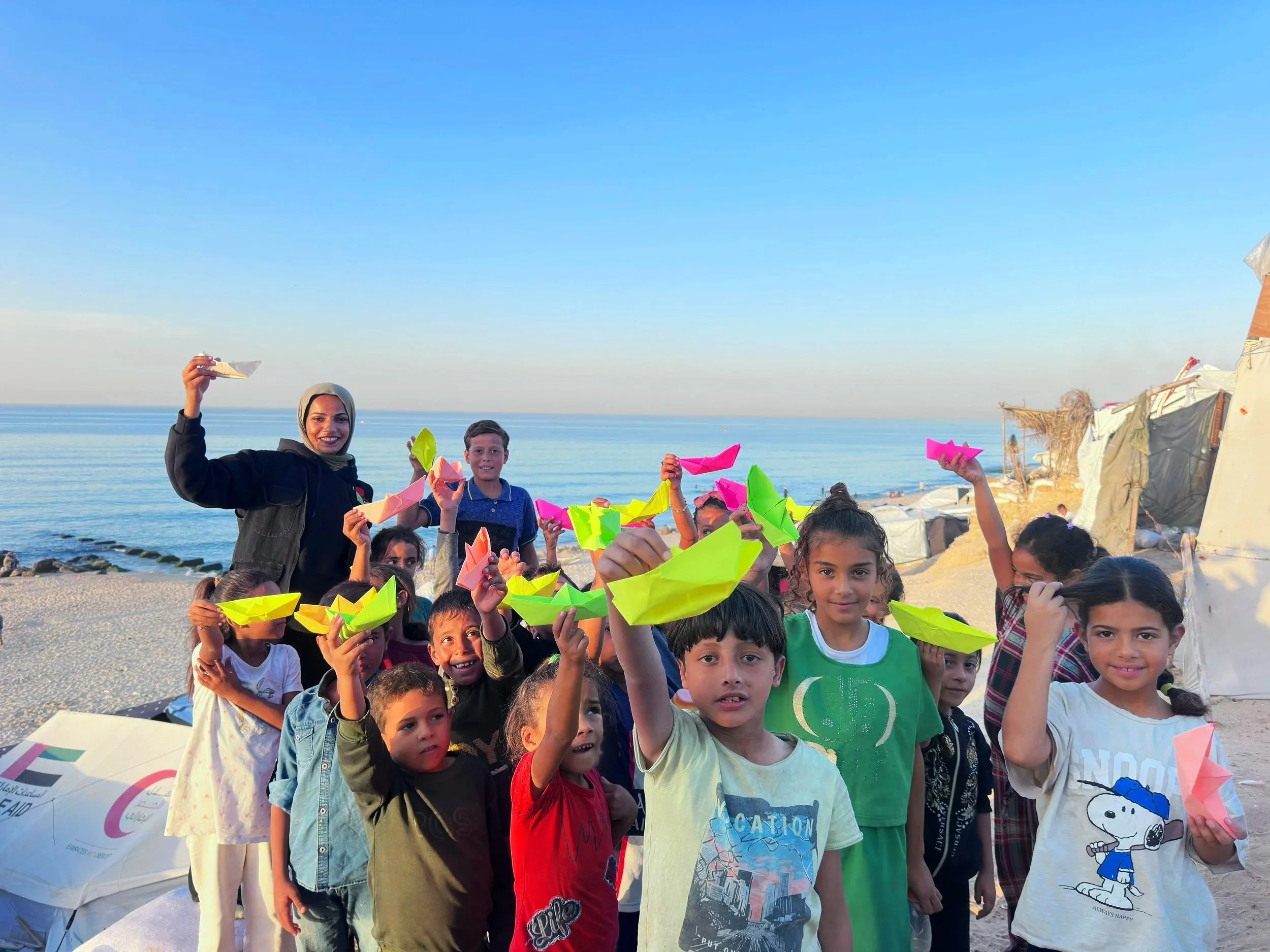
Economic support
PHRC works with artists, educators, facilitators, and mental health professionals to deliver trauma-informed support to Palestinian children and families. By investing in local talent and continuous capacity-building, the organisation strengthens Palestinian-led responses while ensuring that children are supported by people who understand their language, culture, and lived realities. Ongoing training, supervision, and professional accompaniment help team members develop their skills while reducing the risks of secondary trauma and burnout.
Use of Funds
In Gaza and Cairo, our funds are directed toward implementing creative pathways like arts, drama, and music, while conducting intensive artistic-therapeutic workshops for structured emotional release. We provide targeted individual support for children with severe symptoms alongside counseling for caregivers, maintain continuous case-by-case field assessments by mental health professionals to ensure strict safeguarding, and deliver ongoing professional training and accompaniment for our teams.

The Urgency of Action
The PHRC emphasizes that urgent psychosocial support and treating the invisible wounds of war are not secondary interventions, but an existential necessity. This psychological first aid is critical to breaking the intergenerational cycle of trauma and protecting children’s rights as a fundamental form of resilience.
Every day without psychosocial support increases the risk that trauma becomes entrenched across generations. Early intervention is therefore both a humanitarian necessity and an investment in the future wellbeing of Palestinian children and communities.
PHRC is a not-for-profit organisation, registered in the Netherlands. Our RSIN number is 866825496 / SBI-code: 94996.
The Supervisory Council is charged with approving budgets and annual accounts, as well as any major strategic decisions PHRC takes. The PHRC board members are:
H. Hintjens
N. Ehsan (Treasurer and financial manager)
A. Steiner
Follow us on Instagram